I am 54 years old and have spent all of my professional life working as a doctor, both in the NHS and in independent medical practice. Over those years, I have become increasingly convinced that the way we practise medicine is failing to keep pace with what is now possible.
We can now identify serious disease earlier than ever before. Yet much of our healthcare system remains built around waiting for people to become ill. This is why I founded Preologi – and what I hope it can change.
Medicine has moved on
We have witnessed extraordinary advances in medical science and technology. Today, we can:
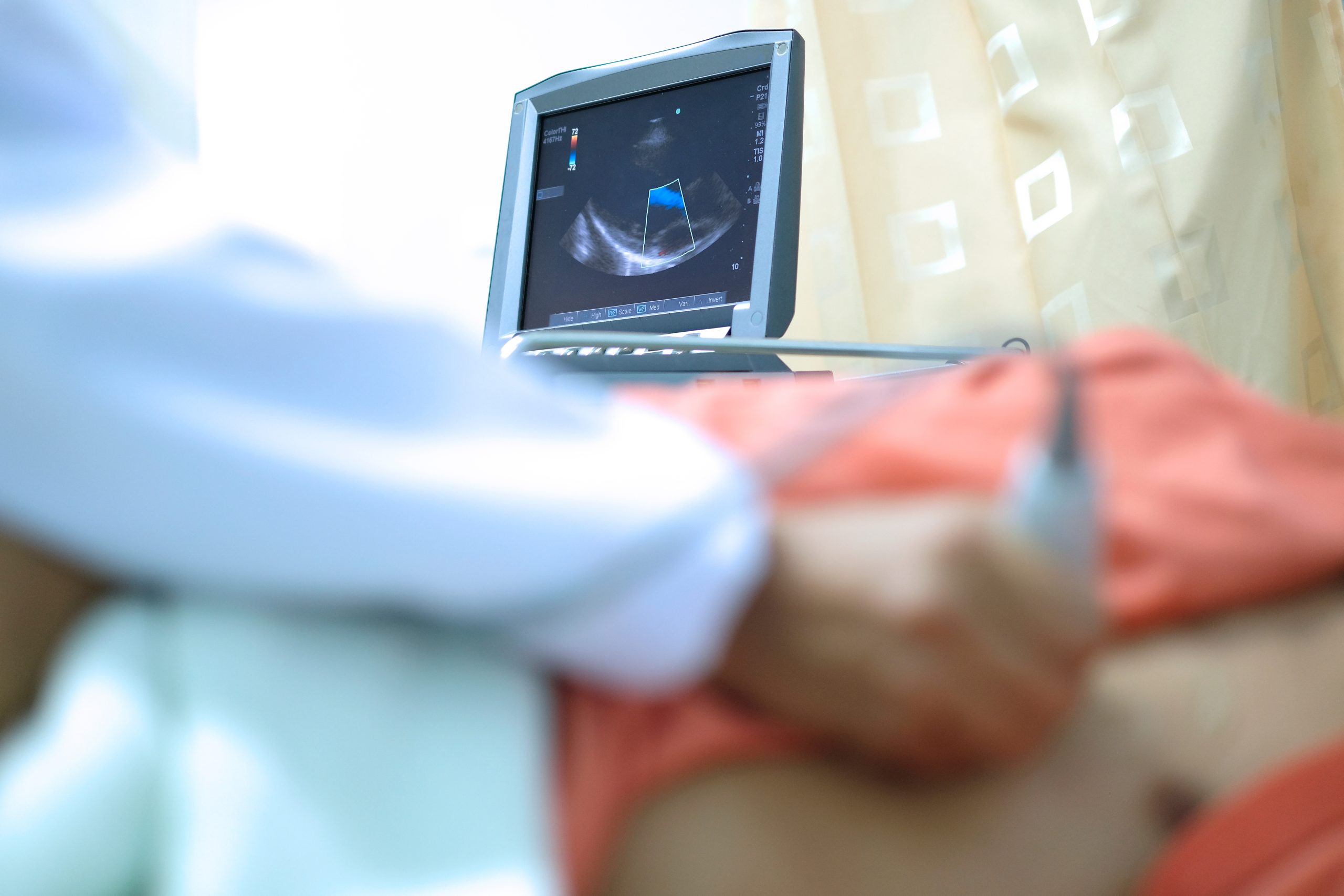
- Identify coronary artery disease long before someone develops chest pain
- Assess the extent and nature of atherosclerosis
- Measure inflammation within the coronary arteries
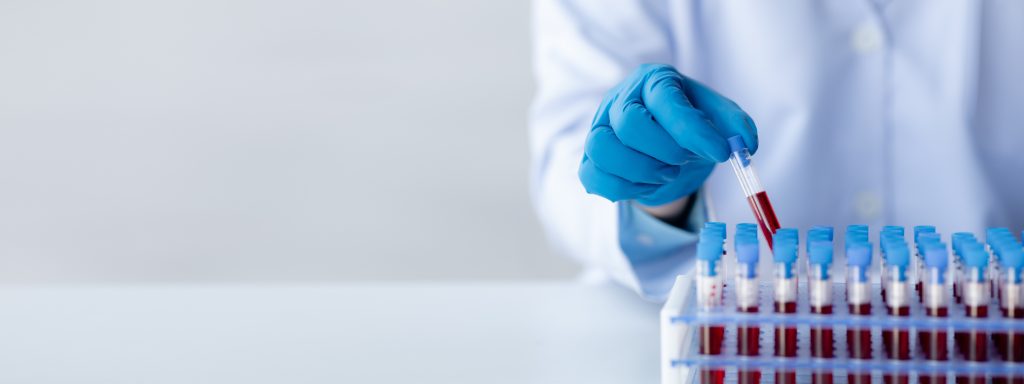
- Identify signals of cancer in the blood, frequently before symptoms have developed
Yet much of our healthcare system remains built around waiting for people to become ill.
Why established practice deserves questioning
There are understandable reasons for this. Healthcare resources are finite, established screening programmes require robust evidence, and new technologies must be evaluated carefully.
But I believe we have also become too comfortable with established practice. Cost, institutional caution and traditional ideas about what should and should not be screened for can become barriers to innovation – even when promising diagnostic technologies and effective treatments are available.
We rightly demand evidence before introducing new approaches. But we should be equally willing to question the consequences of continuing with established practice when the science has moved on.
Clinical judgement, not blanket rules
The absence of a national screening programme does not necessarily mean that an individual patient cannot benefit from a carefully selected investigation. Equally, the availability of a new test does not automatically justify its use.
What is needed is thoughtful clinical judgement, honest discussion of the evidence and a willingness to challenge assumptions.
Why this became personal
For me, this is no longer simply a professional frustration. It has become deeply personal. Over recent years, I have lost people very close to me, far too young.
Two close colleagues and friends died from bowel cancer. My stepfather died from prostate cancer in his fifties. A dear friend developed sarcoma and died just months after retiring.
Two other very close friends died prematurely – one following a sudden cardiac arrest, the other from ovarian cancer – leaving young families facing unimaginable loss.
I suspect almost anyone in middle age can look around their own circle of friends, family and colleagues and recognise similar stories. People who should still be with us. People who had plans, families, careers and years of life ahead of them.
As a doctor, I know that not every illness can be prevented, not every cancer can be detected early, and even the best medical care cannot guarantee a different outcome. But I cannot help asking how many of these lives might have been saved if we had looked earlier, investigated differently or made better use of the technology available to us.
We should not simply accept premature death and serious illness as inevitable when there may be opportunities to intervene earlier. That conviction is why I founded Preologi.
What Preologi sets out to do
My ambition is to make the best emerging medical science available to people through a network of clinics across the UK, supported by experienced clinicians who understand both the potential and the limitations of these technologies.
We are starting with cancer and cardiovascular disease – two of the greatest causes of premature death and suffering. In both fields, diagnostic technology has advanced enormously, and there are now opportunities to identify serious disease at a stage when treatment may be more effective.
We should not simply accept premature death and serious illness as inevitable when there may be opportunities to intervene earlier.
A screening test is only the beginning
Our approach brings together three things:
- Excellent science
- Careful clinical practice
- Proper ongoing patient support
What matters equally is how results are interpreted, how patients are supported, and what happens next.
Being honest about the limitations
I have no illusions that these technologies will detect every cancer or prevent every heart attack. They will not. There will be false positives, false negatives and occasions when disease develops despite reassuring investigations.
These are important limitations that must be explained honestly. But I believe that, used intelligently and responsibly, these technologies offer an opportunity to make a meaningful difference to the burden of premature illness and death.
I do not believe we should have to wait another generation before exploring how the best of today’s medical technology can improve preventative healthcare. We need to be ambitious – but we must also be rigorous about demonstrating real clinical benefit and avoiding unnecessary harm.
Looking ahead
Preologi will not stand still. Medical science is moving rapidly, and we intend to keep evaluating new technologies as evidence develops.
Every addition to our programme will be considered through robust clinical governance and senior scientific oversight, with patient welfare at the centre of our decisions.
We want to work with excellent clinicians and clinics throughout the country, making these advances accessible while maintaining the highest standards of care. If you’re a clinician or clinic, find out about partnering with Preologi.
Why it matters
Ultimately, my ambition for Preologi is straightforward: to bring the best of modern medical science into everyday clinical practice, with the express aim of preventing unnecessary suffering and premature death.
If we can help more people remain healthy, enjoy their retirement, see their children grow up and spend more years with the people they love, then establishing Preologi will have been worthwhile.
Related reading